Tree Health & Disease
A certified arborist diagnoses decline — disease, pests, root issues — and treats it before you lose the tree.
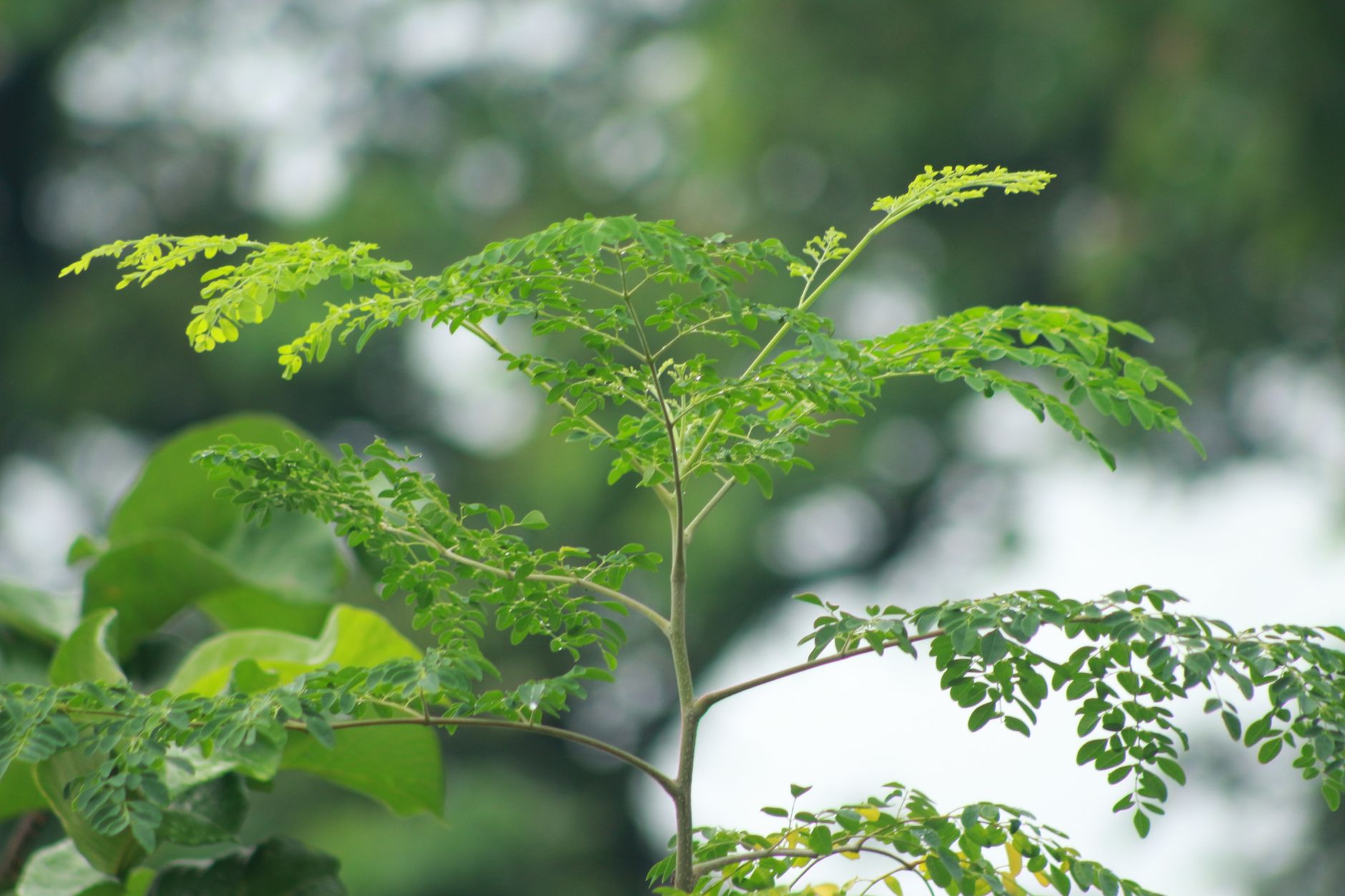
For trees that look sick, thin, or stressed.
You might need this if…
- Leaves browning or dropping off-season
- Thin canopy or dead branch tips
- Fungus, conks, or oozing bark
- Boring holes or sawdust at the base
- A newly stressed or transplanted tree
What’s included
- On-site diagnosis by a certified arborist
- Soil & root-collar inspection
- Targeted treatment plan
- Deep-root fertilization
- Pest & disease management
Common questions
Often, if we catch it in time. Thinning canopy, off-season leaf drop, fungus, or boring holes all have causes a certified arborist can diagnose on-site. Many trees respond to treatment, deep-root fertilization, or corrective pruning. Sometimes the honest answer is removal — and we’ll tell you that too.
For most deciduous trees, the dormant season (late fall through late winter) is ideal — the structure is visible and the tree heals cleanly. There are exceptions: avoid pruning oaks and elms in spring/summer due to beetle-spread disease, and prune spring-bloomers right after they flower. Dead, damaged, or hazardous limbs can come off any time.