Crown Reduction & Shaping
Reduce height and spread the right way — to the proper lateral, never a flat-top cut — to ease weight and risk.
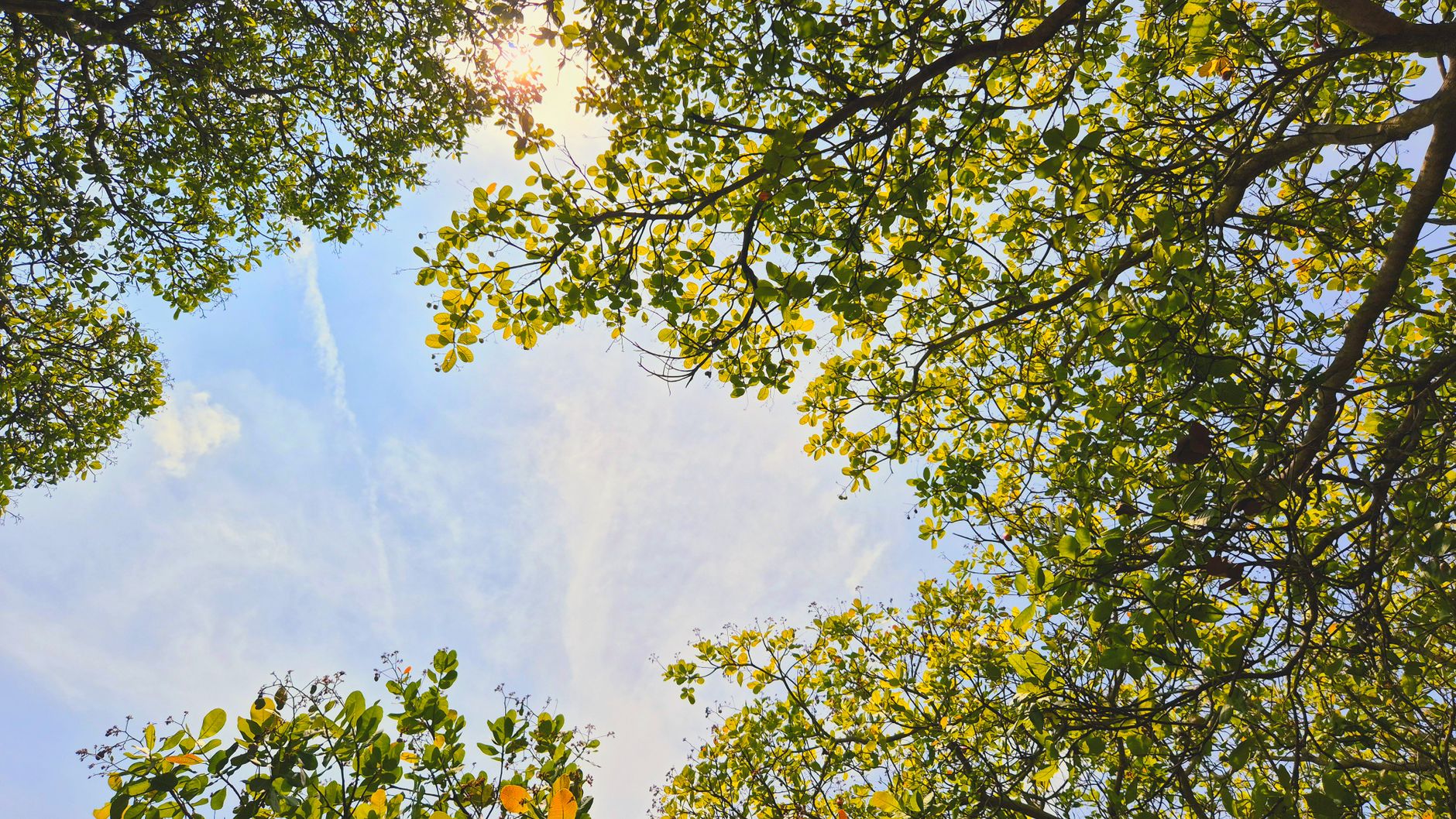
For large trees that are too big for the spot.
You might need this if…
- A tree that has outgrown the yard
- Heavy limbs over the roof
- Wind sail you want to reduce
- A past topping job to repair
- Storm-risk you want managed
What’s included
- Reduction to proper laterals
- Weight & wind-sail reduction
- Repair pruning of past topping
- End-weight removal over targets
- A multi-year reduction plan
Common questions
No — we never top trees. Topping (cutting branches back to stubs) starves the tree, invites decay, and forces weak, dangerous regrowth. To reduce size we use crown reduction: cutting back to a proper lateral branch following ANSI A300 standards, which is healthier, safer, and looks far better.
For most deciduous trees, the dormant season (late fall through late winter) is ideal — the structure is visible and the tree heals cleanly. There are exceptions: avoid pruning oaks and elms in spring/summer due to beetle-spread disease, and prune spring-bloomers right after they flower. Dead, damaged, or hazardous limbs can come off any time.